Hidden Collision Damage: 8 Problems That Don’t Show Up Until Later
Your car looks fine after the accident. The bumper has a scuff, maybe a small dent, but it starts and drives. So you’re in the clear, right?
Not always. Modern cars hide a lot behind their panels. A crash can damage parts you can’t see, and those problems often show up days or weeks later. By then, a small issue can turn into a bigger, more expensive repair, or a safety risk.
Here are eight types of hidden collision damage, the warning signs to watch for, and why a full inspection matters even after a minor accident.
1. Airbag System Parts
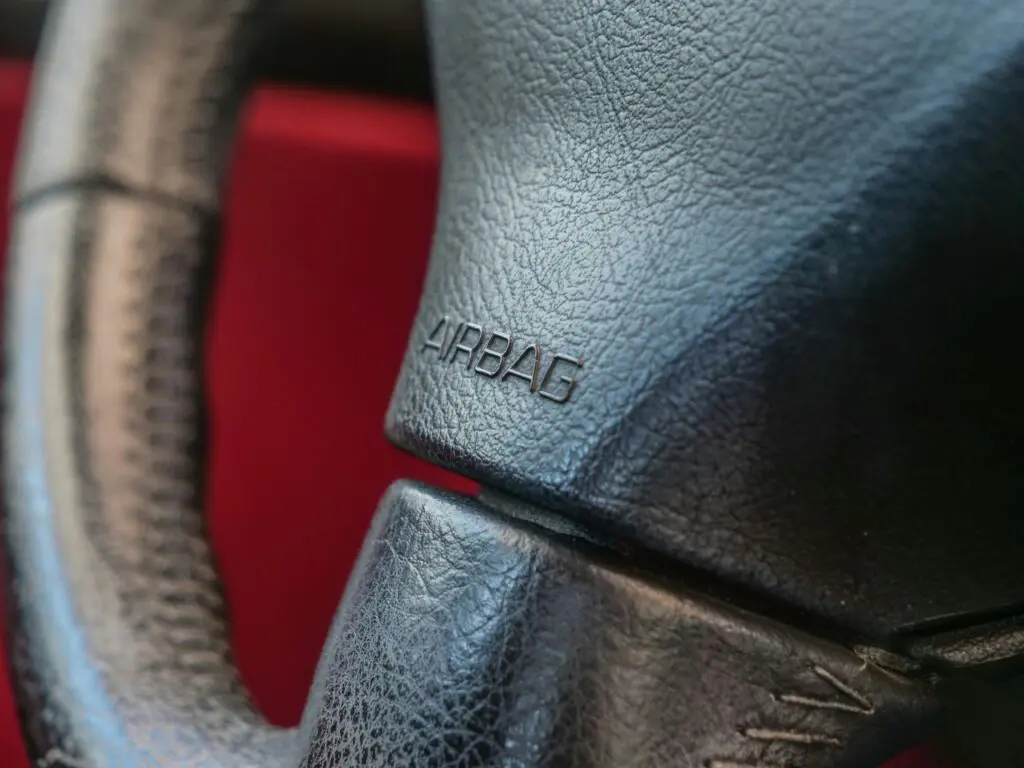
When airbags go off, replacing the bags is only part of the job. The whole system works as a team, and other parts may need attention too:
- Crash sensors that told the airbags to fire
- The airbag control module, which often stores crash data and may need to be replaced or reset
- The dashboard, steering wheel cover, or headliner where the airbags burst through
A shop should follow the automaker’s instructions for every part of the airbag system. If one piece gets skipped, the airbags may not work the next time you need them.
2. Seat Belts
Most people never think about their seat belts after a crash. They should.
Many modern seat belts have a pretensioner, a small device that pulls the belt tight the instant a crash happens. Most pretensioners work only once. After they fire, they need to be replaced.
The belt itself can also stretch or weaken during a hard stop, even if the airbags never went off. Watch for:
- A belt that won’t retract smoothly
- A belt that stays locked or feels stiff
- Frayed or damaged webbing
- A seat belt warning light on the dash
3. Wiring Harness Damage
Your car has miles of wiring bundled into harnesses that run behind bumpers, through doors, and under the floor. A collision can pinch, stretch, or cut these wires without leaving any outside marks.
Wiring problems are tricky because they come and go. You might notice:
- Lights that flicker or stop working
- Random warning messages on the dash
- Power windows, locks, or mirrors that act up
- A battery that drains overnight
A damaged connector can also let in water, which causes corrosion and more electrical trouble over time.
4. Cooling System Damage
The radiator, A/C condenser, and cooling fans sit right behind your front bumper. Even a low-speed hit can bend brackets, crack plastic tanks, or puncture thin metal fins.
The damage often starts as a slow leak. Your car may drive normally for days before it begins to overheat. Look for:
- A temperature gauge that climbs higher than usual
- Green, orange, or pink fluid under the front of the car
- A sweet smell after driving
- A/C that blows warm air
Ignoring an overheating engine can lead to serious engine damage, so get it checked right away.
5. Safety Sensors and Cameras
Radar units, cameras, and parking sensors hide behind your bumpers, grille, mirrors, and windshield. They power features like automatic emergency braking, lane keeping, blind spot alerts, and adaptive cruise control.
A sensor only needs to shift a tiny amount to aim in the wrong direction. The system might still turn on, but it could react late, give false alerts, or miss a hazard completely.
After a repair, these systems often need calibration, a process that re-aims each sensor to the automaker’s exact specs.
6. Suspension and Alignment
If a wheel took any part of the hit, the parts behind it may be bent. Control arms, tie rods, and struts don’t always look damaged, but a small bend can throw off how your car drives.
Signs to watch for:
- The car pulls to one side
- The steering wheel sits off-center when driving straight
- New clunks or rattles over bumps
- Tires wearing unevenly
Bent suspension parts can affect steering and braking, so don’t just live with it.
7. Frame and Structural Damage
Most cars today use a unibody design, where the body and frame are one connected structure. A hit on one corner can shift the structure in places far from the impact.
You might notice:
- Doors, the hood, or the trunk don’t close as easily
- Gaps between panels look wider on one side
- Wind noise or water leaks that weren’t there before
The structure is what protects you in a future crash. A shop uses precise measuring tools to compare your car to factory specs and confirm it’s straight.
8. Cracked Paint and Hidden Rust
A dent that looks minor can still crack the paint and the protective coating underneath. Those tiny cracks let in moisture and road salt.
Rust may not show up for months. By the time you see bubbling paint, the metal underneath may already be damaged. Getting small paint damage fixed early is cheaper than fixing rust later.
Quick Checklist: Signs of Hidden Damage After an Accident
In the days and weeks after a crash, pay attention to:
- New warning lights on the dashboard
- Fluid spots under your car
- Strange smells, like burning or a sweet odor
- New noises: clunks, rattles, squeaks, or grinding
- The car pulling to one side or the steering wheel sitting crooked
- Doors, hood, or trunk that don’t close smoothly
- Electrical features that work some days and not others
- Seat belts that stick, lock, or won’t retract
- Safety features that give odd alerts or stop working
If you notice any of these, have your car inspected as soon as possible.
Why a Full Inspection Matters
A quick look in a parking lot can’t find most of these problems. A thorough collision inspection usually includes:
- A pre-repair scan that reads stored trouble codes from your car’s computers
- Teardown, where technicians remove damaged panels to see what’s underneath
- Frame measuring to check that the structure is straight
- A post-repair scan and calibration to confirm every system works as designed
Finding hidden damage early protects your safety, keeps repair costs down, and helps your car hold its value. It also makes it easier to include all the damage in your original repair instead of dealing with surprise problems later.
Don’t Let Hidden Damage Catch You Off Guard
At Purnell Body Shop we look past the surface. Our skilled technicians ensure nothing gets missed, from airbag sensors to cooling lines to the frame itself. Then we repair it to the automaker’s standards.
Been in an accident, even a small one? Call Purnell Body Shop at (410) 398-2010 or start with an online estimate. We proudly serve drivers in Elkton, Cecil County, and nearby communities.
