Vehicle Maintenance Safety: Essential Maintenance That Can Help Prevent Accidents
Keeping up with vehicle maintenance safety isn’t just about extending the life of your car—it’s also one of the best ways to reduce your risk of an accident. While not every collision can be prevented, a well-maintained vehicle is more likely to respond the way you expect when you need to brake, steer, or avoid a hazard.
From your tires to your headlights, every part of your vehicle plays a role in keeping you safe on the road. Here are some of the most important maintenance tasks that can help prevent accidents.
Check Your Tires Regularly
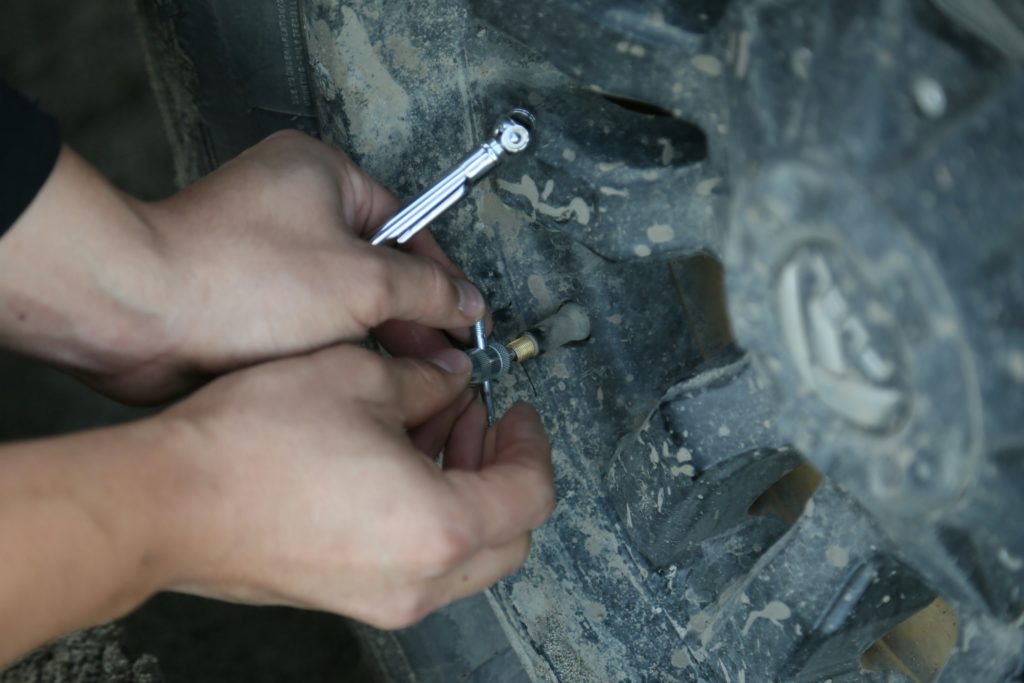
Tire maintenance can have a direct impact on road safety. According to the National Highway Traffic Safety Administration (NHTSA), 511 people were killed in tire-related crashes in 2024. Your tires are the only part of your vehicle that touches the road. If they’re worn, damaged, or improperly inflated, your ability to stop and steer safely can be affected.
As part of your vehicle maintenance safety routine, inspect your tires for:
- Low tread depth
- Uneven wear
- Cracks or bulges
- Embedded nails or other debris
- Proper tire pressure
Low tire pressure can reduce handling and increase stopping distance. Overinflated tires can also reduce traction, especially on wet roads.
It’s also a good idea to rotate your tires according to your vehicle manufacturer’s recommendations. Regular rotations help your tires wear more evenly, improving both performance and longevity.
Make Sure Your Brakes Are Working Properly
Your brakes are one of the most important safety systems on your vehicle.
If you notice any of the following warning signs, have your brakes inspected as soon as possible:
- Squealing or grinding noises
- Vibrations while braking
- A soft or spongy brake pedal
- Your vehicle pulling to one side
- Longer stopping distances
Brake problems rarely improve on their own. Addressing issues early can help you avoid more expensive repairs and reduce your risk of an accident.
Keep Your Lights Clean and Functional
Good visibility is essential, especially at night or during bad weather.
Check your:
- Headlights
- Brake lights
- Turn signals
- Reverse lights
- Hazard lights
Replace burned-out bulbs promptly and clean cloudy headlight lenses if they reduce brightness.
Proper lighting not only helps you see the road but also helps other drivers see your vehicle and understand your intentions.
Replace Windshield Wipers When Needed
Worn windshield wipers can leave streaks, skip across the glass, or fail to clear rain effectively.
Most drivers don’t think much about their wipers until they’re caught in a storm.
Signs it’s time for new wiper blades include:
- Streaking
- Chattering
- Cracked rubber
- Missed spots on the windshield
Maintaining clear visibility is a simple but important part of safe vehicle maintenance.
Don’t Ignore Dashboard Warning Lights
Modern vehicles constantly monitor important systems.
When a warning light appears, your vehicle is telling you something needs attention.
While not every dashboard light means you should stop driving immediately, none should be ignored.
Common warning lights include:
- Check Engine
- ABS
- Tire Pressure Monitoring System (TPMS)
- Battery
- Oil Pressure
Review your owner’s manual to understand what each warning light means and have your vehicle inspected if necessary.
Keep Fluids at Proper Levels
Many vehicle systems rely on clean fluids to operate safely.
Regularly check or have a technician inspect:
- Engine oil
- Brake fluid
- Coolant
- Power steering fluid (if equipped)
- Transmission fluid (if applicable)
- Windshield washer fluid
Low or contaminated fluids can affect vehicle performance and, in some cases, create unsafe driving conditions.
Following the maintenance schedule in your owner’s manual helps ensure these fluids are replaced at the proper intervals.
Inspect Your Battery
A weak battery may not seem like a safety issue, but it can leave you stranded at the worst possible time.
Corrosion, loose connections, and aging batteries can all lead to unexpected failures.
Consider having your battery tested before:
- Winter weather
- Summer road trips
- Long vacations
Many auto parts stores and repair shops offer battery testing in just a few minutes.
Listen for Unusual Noises
Your vehicle often gives you warning signs before a component fails.
Don’t ignore sounds like:
- Grinding
- Knocking
- Clicking
- Whining
- Clunking
Likewise, pay attention to vibrations, unusual smells, or changes in how your vehicle drives.
Addressing small issues early can prevent larger mechanical problems later.
Follow Your Manufacturer’s Maintenance Schedule
Every vehicle has a recommended maintenance schedule developed by its manufacturer.
This schedule is based on factors like mileage, time, and normal wear.
Typical maintenance includes:
- Oil changes
- Tire rotations
- Air filter replacement
- Brake inspections
- Fluid changes
- Belt and hose inspections
Following these recommendations is one of the easiest ways to keep your vehicle operating safely and reliably.
Vehicle Maintenance Can’t Prevent Every Accident
Even if your vehicle is well maintained, accidents can still happen because of weather, road hazards, or the actions of other drivers.
If your vehicle is involved in a collision, it’s important to have it inspected by a qualified collision repair facility. Modern vehicles are designed with advanced structural components and safety systems that may sustain damage beyond what is visible on the surface.
A proper repair helps restore your vehicle’s ability to protect you and your passengers in the future.
A Safer Vehicle Starts With Regular Maintenance
Practicing good vehicle maintenance safety isn’t complicated, but it does require consistency. Checking your tires, brakes, lights, fluids, and other essential systems can help reduce the risk of mechanical problems that may contribute to an accident.
While regular maintenance is one of the best ways to keep your vehicle safe, it’s also important to remember that collisions can still happen. If they do, choosing a collision repair shop, like Purnell Body Shop, that follows manufacturer repair procedures helps ensure your vehicle is repaired correctly and ready to protect you on the road once again.
